
Consumer Law
Online Shopping Disputes in India: Consumer Remedies
How to handle marketplace non-delivery, fake listings, return traps, and multi-party e-commerce disputes under Indian consumer law.
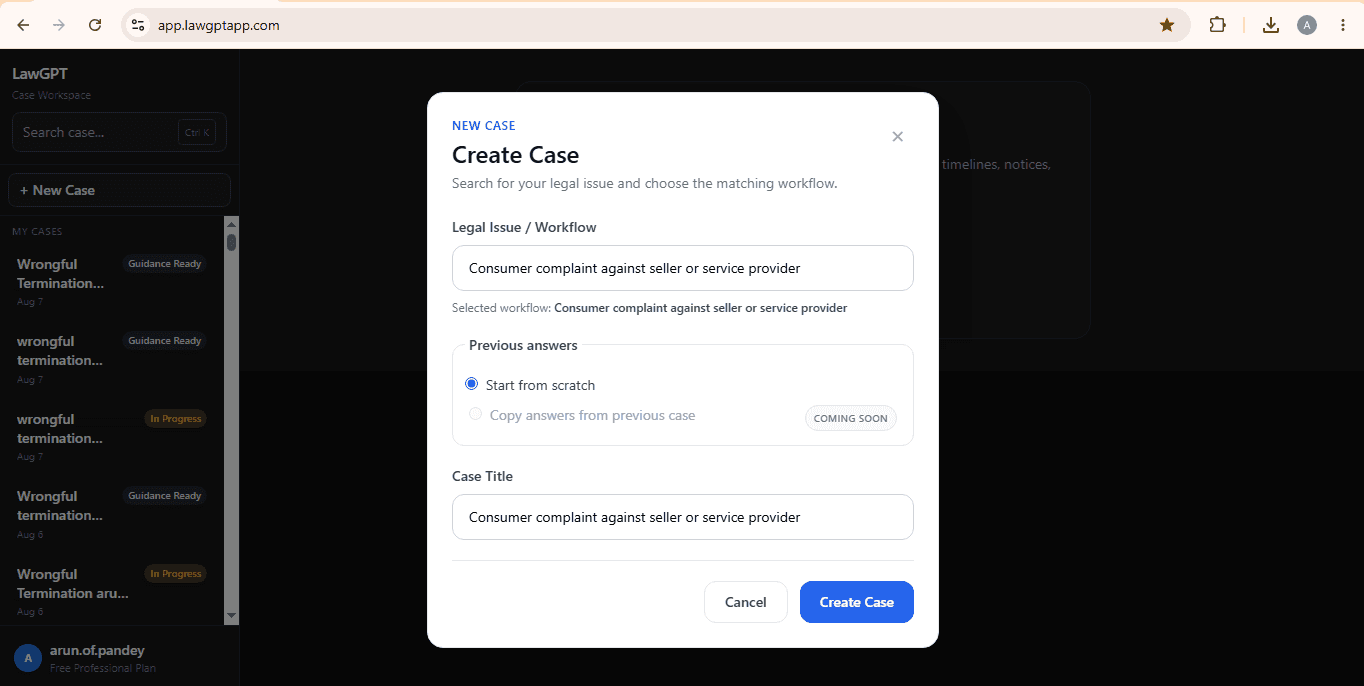
Online shopping disputes are ordinary now: non-delivery, empty boxes, counterfeit suspicions, endless reverse-pickup loops, and refunds that evaporate into wallet credits. Indian consumer law has adapted, but your success still depends on screenshots and party selection. This guide focuses on marketplace realities.
Capture the listing while it exists
Save the product URL, title, brand name, seller display name, “fulfilled by” tags, price, discount representations, and return policy text. Listings mutate. If you later claim “100% genuine leather” was promised, you need the creative, not your memory of it. Record payment instrument details and OTP-less payment confirmations from email.
Common online dispute patterns
| Pattern | What to prove | Typical opposite parties |
|---|---|---|
| Non-delivery / fake delivery | Tracking lies vs non-receipt | Seller, platform, courier as facts dictate |
| Wrong or damaged item | Unboxing evidence | Seller / platform logistics |
| Counterfeit suspicion | Brand mismatch, quality tests | Seller, platform, sometimes brand |
| Return not accepted | Policy eligibility + pickup failure | Platform returns desk, seller |
Marketplace versus seller
Platforms often argue intermediary status. Your pleadings should explain who accepted payment, who promised delivery SLAs, who ran the returns workflow, and who issued invoices. Consumer commissions examine substance. Do not let branding confusion stop you from naming the reachable Indian entity listed in the app’s legal pages.
Returns policy games
“Return window closed” emails sometimes ignore pickup failures or quality rejections without reports. Document every attempted reverse pickup. If the policy promised easy returns for your category, annex that policy text. Dark patterns that hide cancellation buttons are worth describing with screenshots.
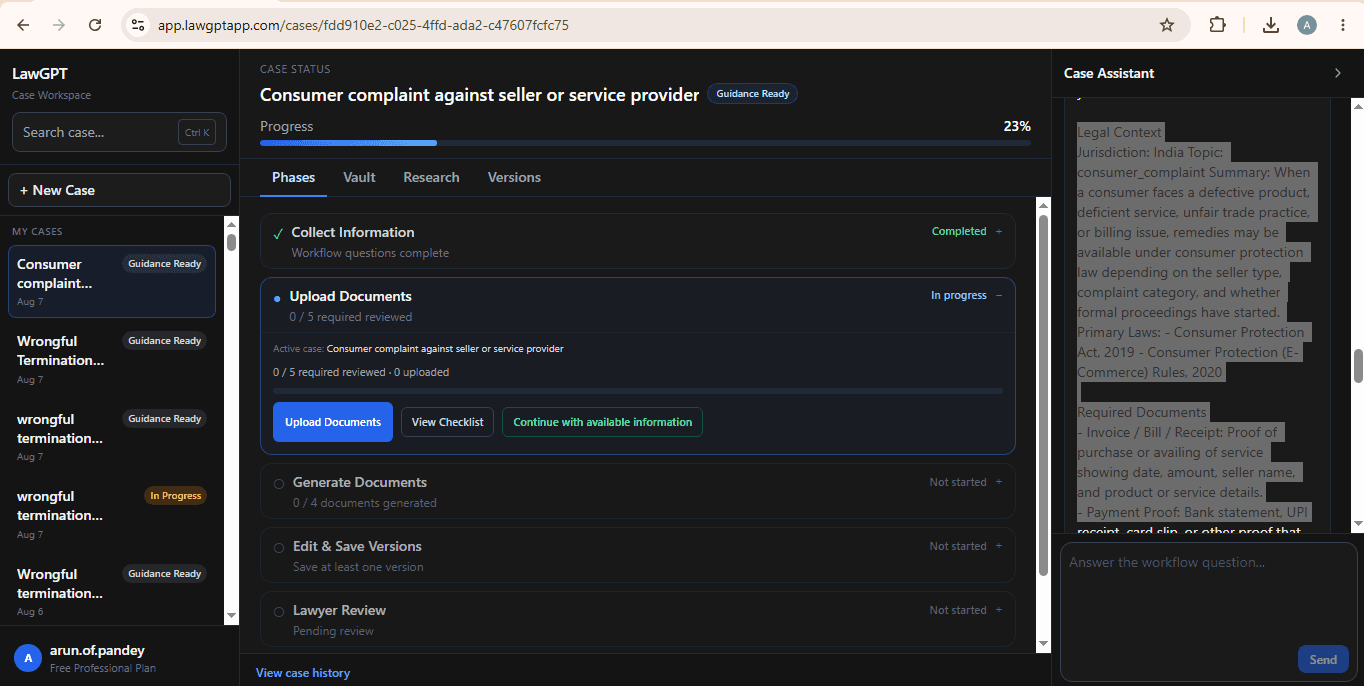
Escalation sequence for online orders
- In-app ticket with clear ask: refund, replacement, or investigation
- Email to published grievance officer with annexures
- Payment instrument dispute or chargeback assessment where available
- Legal notice to seller and platform entities
- Consumer commission complaint with pecuniary tier checked
- Settlement only against written credit confirmation
Online dispute evidence kit
- Listing screenshots with date
- Order and payment confirmations
- Tracking history exported
- Unboxing photos or video for damage or empty box
- Chat and email exports
- Refund promise and bank non-credit proof
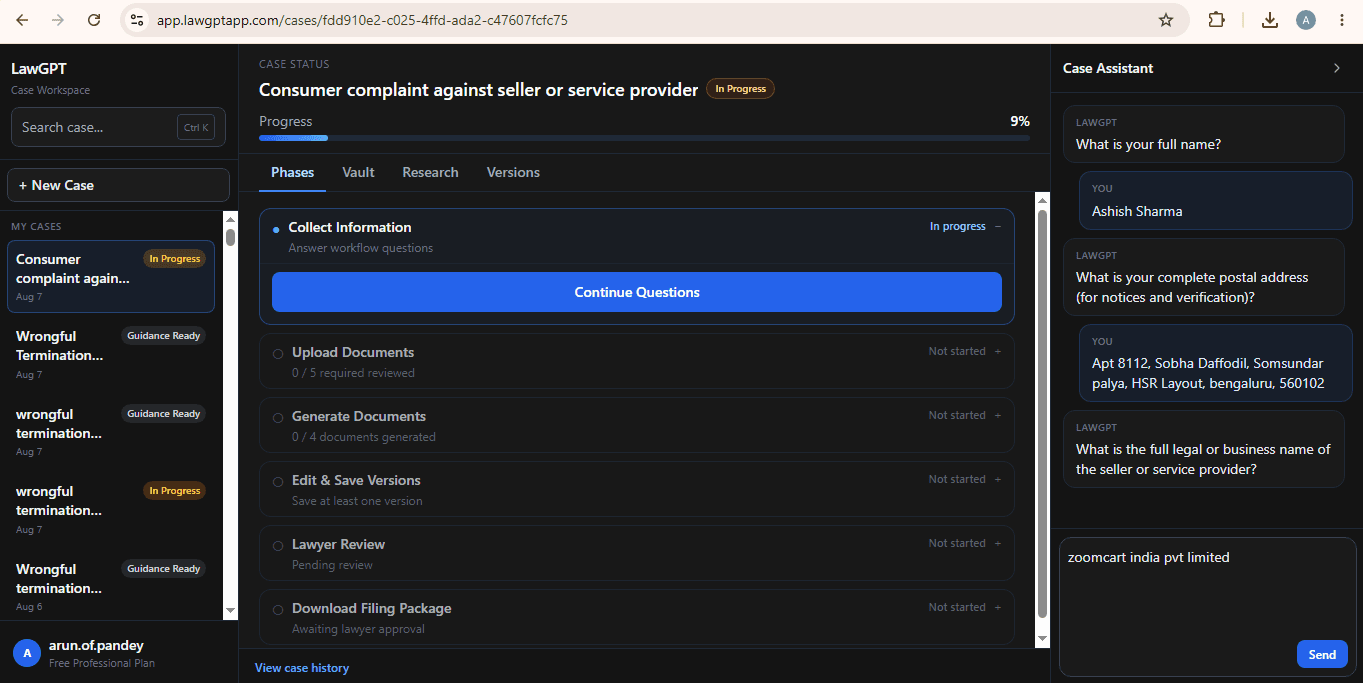
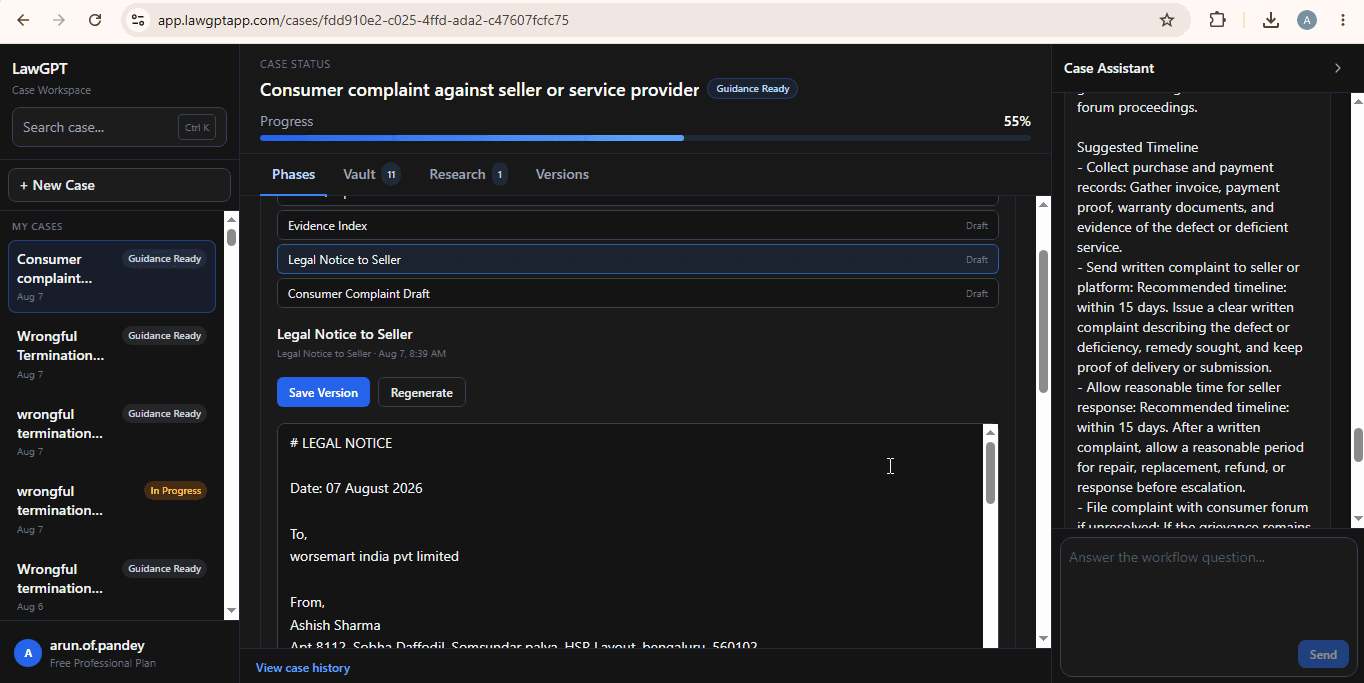
LawGPT at /workflows/consumer-complaint helps you turn that kit into coherent notice and complaint drafts naming the right parties. Use /platform when multi-respondent strategy needs a lawyer pass. Online disputes reward speed because policies and seller storefronts disappear.
Cross-border sellers
If the seller is overseas, enforcement gets harder. Focus on the marketplace’s Indian operations, payment facilitators, and any domestic fulfilment node. Be realistic about recovery, but do not abandon claims when an Indian-facing platform took your money and marketed the sale.
Counterfeit and “lookalike” listings
Marketplaces host authorised sellers and opportunistic storefronts using brand-like names. If authenticity is in issue, preserve packaging, holograms, serial checks against brand databases, and any brand customer-care opinion. Ask the platform for seller KYC-era legal name through grievance channels. Your complaint should explain why you believed you were buying genuine goods—brand filters, “fulfilled by” tags, or platform assurances.
Avoid making definitive criminal counterfeit accusations in public posts without evidence. In the consumer pleading, stick to mismatch with promised brand authenticity and quality representations you can annex.
Delivery OTP fraud and porch misdelivery
A rising pattern involves deliveries marked complete with OTP misuse or handover to the wrong person. Report immediately to platform and, where theft is suspected, consider police intimation for the factual record while continuing the refund track. Platforms sometimes ask consumers to “wait for investigation” indefinitely—diary a deadline and escalate with notice when it passes.
International checkout pitfalls
- Customs duties unexpectedly shifted to buyer contrary to listing
- Duties paid but item seized or returned without refund clarity
- Long overseas transit with vanishing tracking after export scan
- Foreign seller immunity narratives from the marketplace
These cases are harder, not hopeless. Focus on the Indian-facing contractual counterparty that took payment and marketed delivery timelines. Preserve duty payment challans and courier communications.
Subscription traps and recurring charges
Online disputes increasingly involve subscriptions that do not cancel cleanly. Keep screen recordings of cancellation attempts. If mandates continue pulling money, notify the bank or UPI mandate controls and the merchant in parallel. Consumer pleadings should include each unauthorised pull as a dated loss event.
Use /workflows/consumer-complaint to map marketplace, seller, and logistics roles before drafting. /platform review is especially useful when your cart checkout involved multiple legal entities and payment intermediaries.
Seller vanishing acts and archive hygiene
Screenshot the seller storefront, ratings band, GSTIN if shown, and product Q&A promises before they disappear. If the seller is removed mid-dispute, your platform grievance should expressly note the removal date. Marketplaces sometimes still control refunds even when the seller storefront dies—plead that control.
For high-value electronics, consider a quick authenticity serial check with the brand while the return window is open. Waiting until after the window closes hands the platform an easy policy defence.
Coordinating chargeback and commission tracks
If you open a card dispute, keep the consumer chronology identical—contradictory stories across bank forms and commission pleadings are a gift to respondents. Note the dispute reference in your matter file. If the chargeback succeeds, evaluate whether any residual compensation claim remains worth pursuing; do not double recover the same principal silently.
Gift orders, drop shipments, and third-party recipients
When you pay for delivery to someone else, clarify who will unbox and who will sign. Ask the recipient for immediate photos if damage is visible. Your consumer standing as the payer usually remains, but evidence lives in another city—coordinate the same day. For surprise gifts, refund logistics can be socially awkward; still keep the legal file professional and complete.
Drop-shipped items with long anonymous supply chains increase counterfeit and non-delivery risk. Prefer sellers with verifiable GSTIN and return footprints for high-value buys. If pricing looked too good to be true, you may still have remedies against deception—but expect a tougher fight on reliance and mitigation.
Digital accounts and subscriptions
Account bans, missing access after payment, and recurring billing after cancellation attempts generate consumer disputes when consideration was paid for access. Preserve order mails, transaction IDs, mandate screenshots, and error screens. Avoid sharing passwords in pleadings; describe access failure functionally. Structure multi-party online facts carefully before filing—/platform review helps when checkout involved several entities.
Building a seller–platform responsibility matrix
Draw a two-column table: Platform responsibilities you were shown (delivery promise, refund automation, authenticity badges) versus Seller responsibilities (item accuracy, packing, warranty). Tick which failed. That matrix prevents scattershot pleading and clarifies whom to serve. It also helps in mediation when each respondent tries to blame the other. Annex the matrix as a one-pager behind your chronology in the /workflows/consumer-complaint package.
Update the matrix when new emails arrive. If the platform later admits fault in a ticket, highlight that ticket in the platform column. Living documents beat static anger.
Return pickup theatre and how to document it
Platforms sometimes close returns when pickups fail for reasons outside your control: courier no-shows, wrong slots, or pin-code serviceability. Screenshot every attempted slot, every “customer unavailable” mark you dispute, and every chat where you re-open availability windows. Email a daily availability confirmation during the pickup week. This paper trail defeats the lazy narrative that you refused return. If the platform still denies refund, your commission complaint can show cooperation with specificity rather than adjectives.
For damaged packaging visible before opening, record a video starting from the sealed courier label. For sealed-but-wrong-item claims, record the seal break. These videos are not glamorous; they are often decisive in online shopping disputes where the seller claims you swapped goods.
Save the marketplace’s consumer grievance policy PDF the day you escalate. Policies change. If a later version tightens refund rules, your annexure shows what applied when you purchased and when you first complained. Dated policy archives are underrated exhibits in online shopping disputes.
Before you buy high-value goods online again during an active dispute mindset, prefer sellers with clear GSTIN, return footprints, and brand authorisation marks you can screenshot. Prevention is part of consumer practice, not only litigation. When a dispute is already live, though, stop browsing for blame and return to your matrix of platform versus seller duties with dated exhibits.
Inside the LawGPT workflow
Frequently asked questions
Not mandatory, but extremely helpful for damage, missing accessories, and empty-box claims. Make it a habit for high-value orders.