
Employment Law
Wrongful Termination in India: Complete Legal Guide
A practical guide to recognising wrongful termination under Indian employment law, preserving evidence, sending notices, and approaching the Labour Commissioner or civil forums with a clear filing plan.
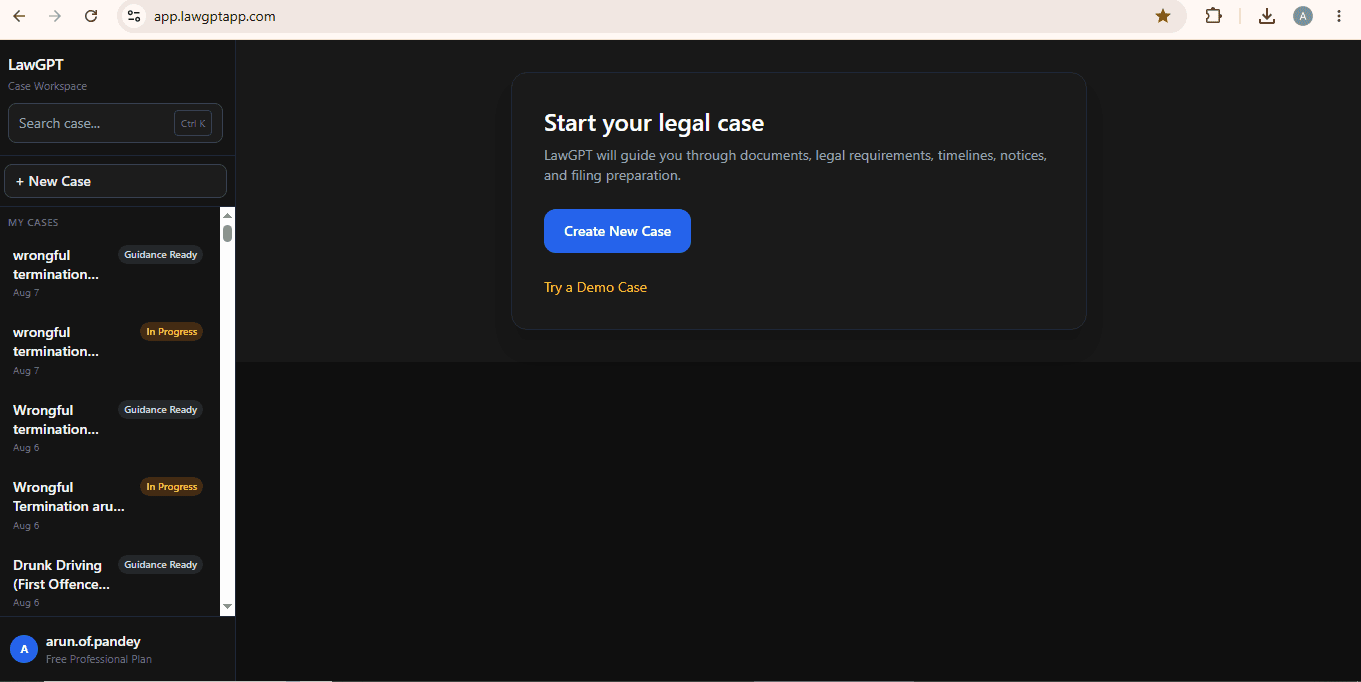
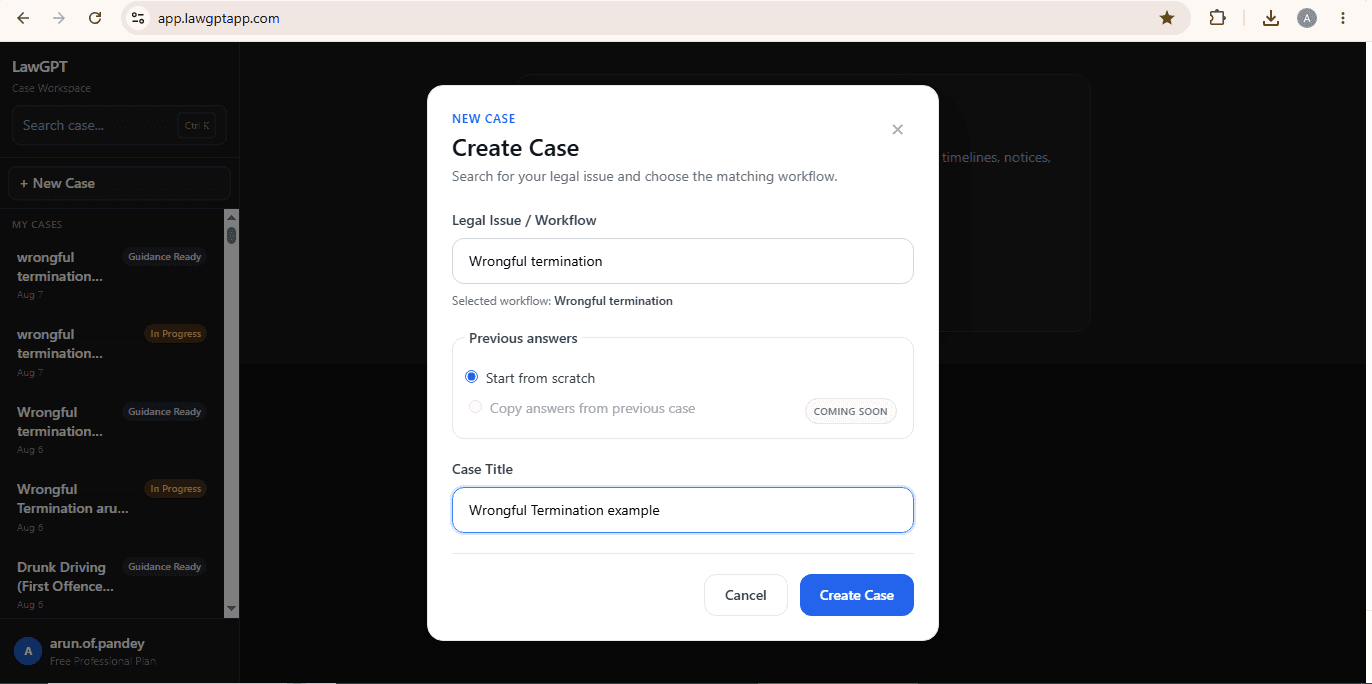
Wrongful Termination workflow walkthrough · 3 min · plays inside LawGPT
Losing a job suddenly is stressful. When the exit also feels unfair—no notice, no enquiry, retaliation for raising a concern, or a paper trail that contradicts the employer’s stated reason—employees in India often ask the same question: was this wrongful termination, and what can I do next? This guide explains the legal landscape in plain language, so you can decide whether to negotiate, send a legal notice, approach the Labour Commissioner, or prepare a formal dispute without wasting weeks on guesswork.
Indian employment law is not a single statute. Your rights depend on whether you are a “workman” under the Industrial Disputes Act, 1947, a covered employee under a state Shops and Establishments Act, a manager or executive whose primary protection is the private employment contract, or someone governed by special service rules. Wrongful termination is therefore a practical label for exits that breach statute, contract, standing orders, or principles of natural justice—not one offence with one fixed remedy. Starting with classification prevents filing in a forum that cannot grant the relief you want.
What usually counts as wrongful termination
Courts and labour authorities look at substance over labels. An employer may call an exit “resignation,” “end of probation,” or “performance separation,” but the surrounding facts matter more than the subject line of the HR email. Red flags include termination without the notice period required by contract or statute (or pay in lieu), dismissal for alleged misconduct without a fair domestic enquiry where one is expected, retaliation after a harassment or wage complaint, forced resignation under threat of adverse remarks, and workforce reductions that ignore industrial dispute procedures when those procedures apply.
- Termination that ignores contractual notice or pay-in-lieu clauses without a lawful basis
- Dismissal for misconduct without charge-sheet, enquiry, or opportunity to respond (where required)
- Retaliatory exits after whistleblowing, POSH complaints, or wage and gratuity claims
- Forced resignation captured through pressure, threats, or withholding of relieving documents
- Selective “performance” exits that contradict recent appraisals or lack contemporaneous records
- Layoffs or retrenchment without following Industrial Disputes Act conditions where they apply
Key laws and forums in India
For many private-sector disputes, the Industrial Disputes Act remains central for workmen—especially around retrenchment, layoff, and unfair labour practices. State Shops and Establishments Acts often regulate notice, working conditions, and certain exit formalities for commercial establishments. The Payment of Wages framework, the Payment of Gratuity Act, and Employees’ Provident Funds compliance address monetary dues that frequently travel with a termination dispute. Contract law—and sometimes civil suits for damages—matters for senior employees whose primary claim is breach of the appointment letter rather than industrial adjudication.
| Situation | Typical first forum / path | What you usually seek |
|---|---|---|
| Workman dismissed without due process | Conciliation / Labour Court or Industrial Tribunal (as applicable) | Reinstatement, back wages, or compensation |
| Notice or wage dues unpaid | Labour Commissioner / labour department channels; wage authorities | Notice pay, wages, gratuity, full-and-final |
| Senior or managerial contract breach | Legal notice → negotiation → civil suit (often) | Damages, dues, sometimes injunctive relief |
| POSH-linked retaliation | Internal Committee process plus employment remedies | Enquiry integrity, protection, employment remedies |
Build a clean fact timeline
Authorities decide cases on documents and consistent narratives. Before you send anything formal, reconstruct a dated timeline: offer letter and amendments, role changes, appraisals, warnings, the events of the termination week, what was said on calls, and what was put in writing afterward. Save WhatsApp exports, email headers, HR portal screenshots, and payroll slips. Note witnesses who heard key conversations. If you were asked to resign, record the exact pressure points—threats about experience letters, pending salary, or “adverse remarks” in the file.
Evidence that commonly moves the needle
- Appointment letter, employment agreement, and any bond or non-compete addendum
- Employee handbook or standing orders extracts that apply to your unit
- Appraisal ratings and PIP documents—or their absence despite claims of poor performance
- Termination and resignation emails, acceptance letters, and full-and-final worksheets
- Salary slips, Form 16, PF/UAN records, and bank credits proving non-payment
- Internal complaints you raised before the exit (ethics, POSH, wage delay)
Practical response path
Most employees benefit from a staged approach. First, request a written termination reason and a complete full-and-final statement. Second, calculate contractual notice pay, unpaid salary, leave encashment, bonus, gratuity eligibility, and reimbursements. Third, send a legal notice that states facts, legal basis, and a clear demand with a response deadline. Fourth, if the employer stonewalls, prepare a Labour Commissioner complaint or the forum suited to your status. Parallel settlement talks are common; written without-prejudice exchanges help you stay disciplined while talks continue.
First 14 days after exit
- Collect contract, payslips, and termination writing within the first week
- Write a private chronology while memory is fresh
- Do not sign settlement or NDA language you do not understand
- Preserve devices and email access lawfully—do not delete employer data improperly
- Decide forum based on workman or manager status before filing
- Keep all communication civil and factual
How LawGPT fits without replacing judgment
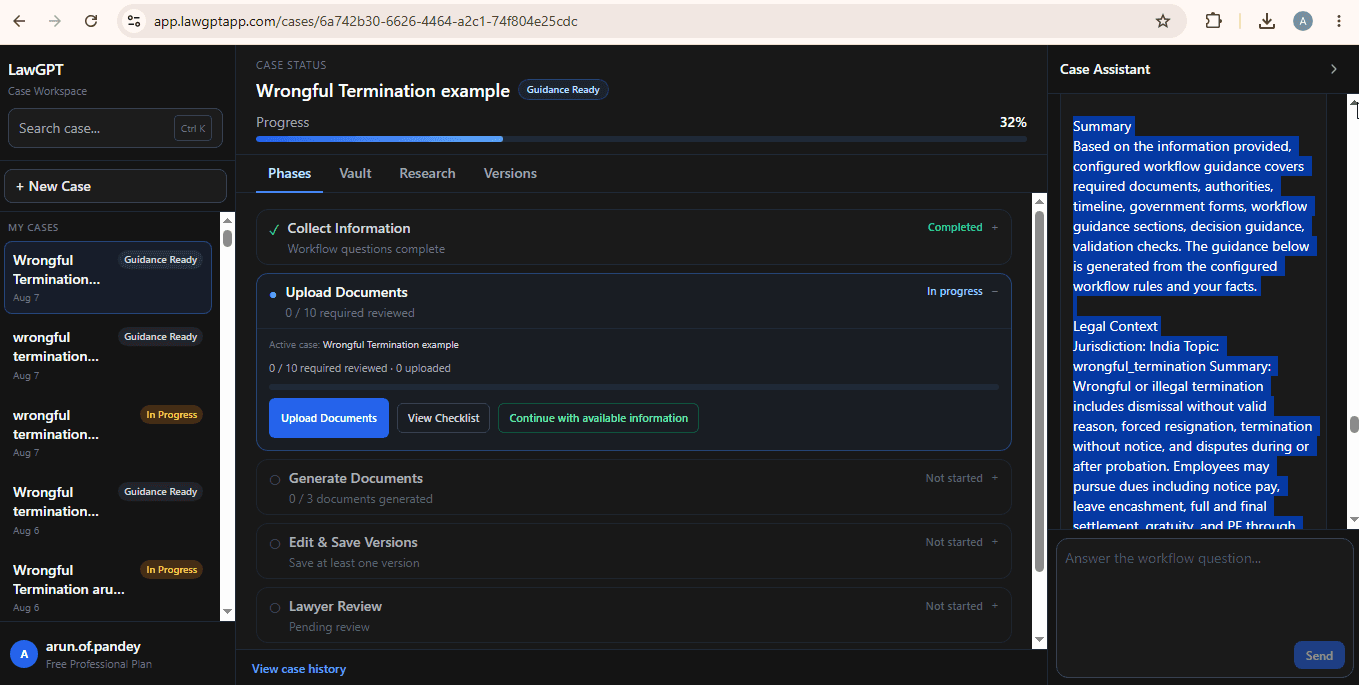
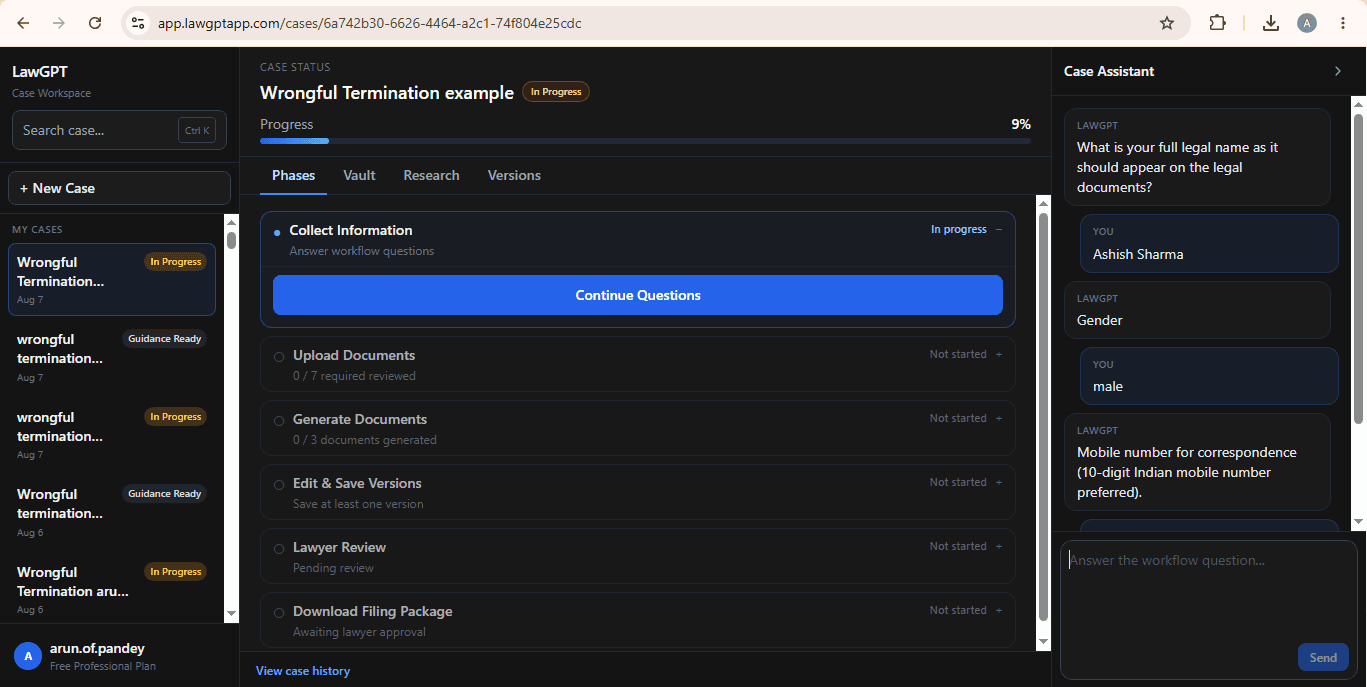
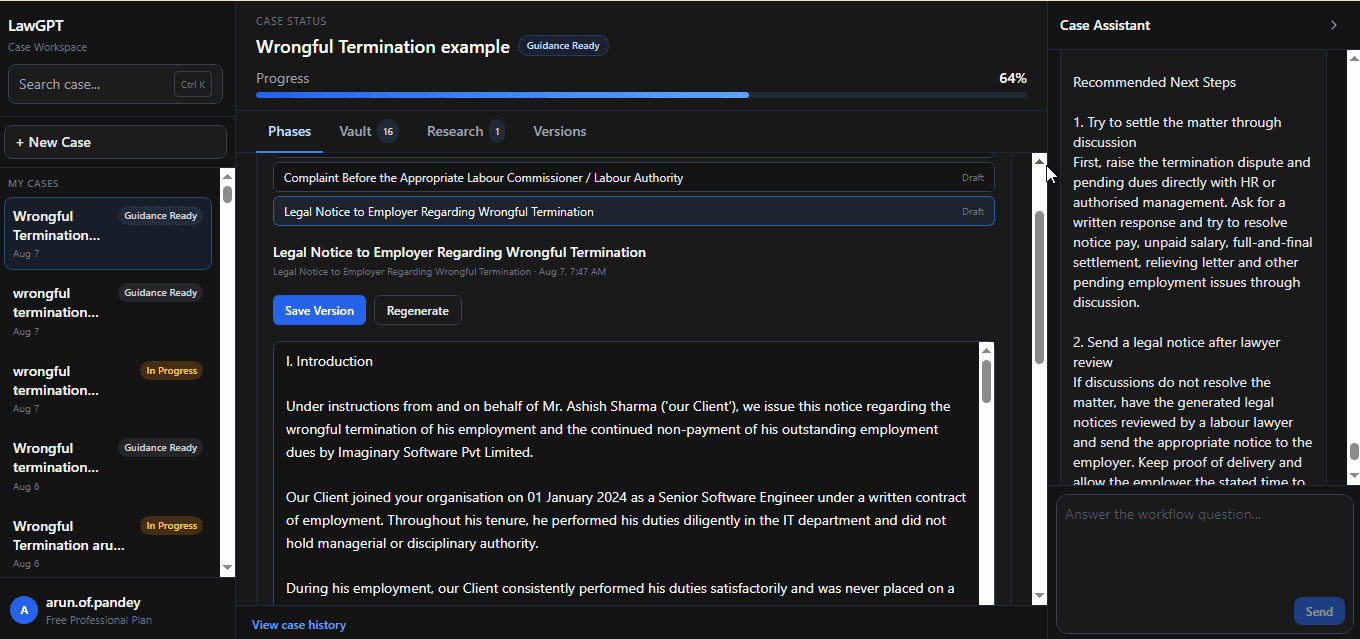
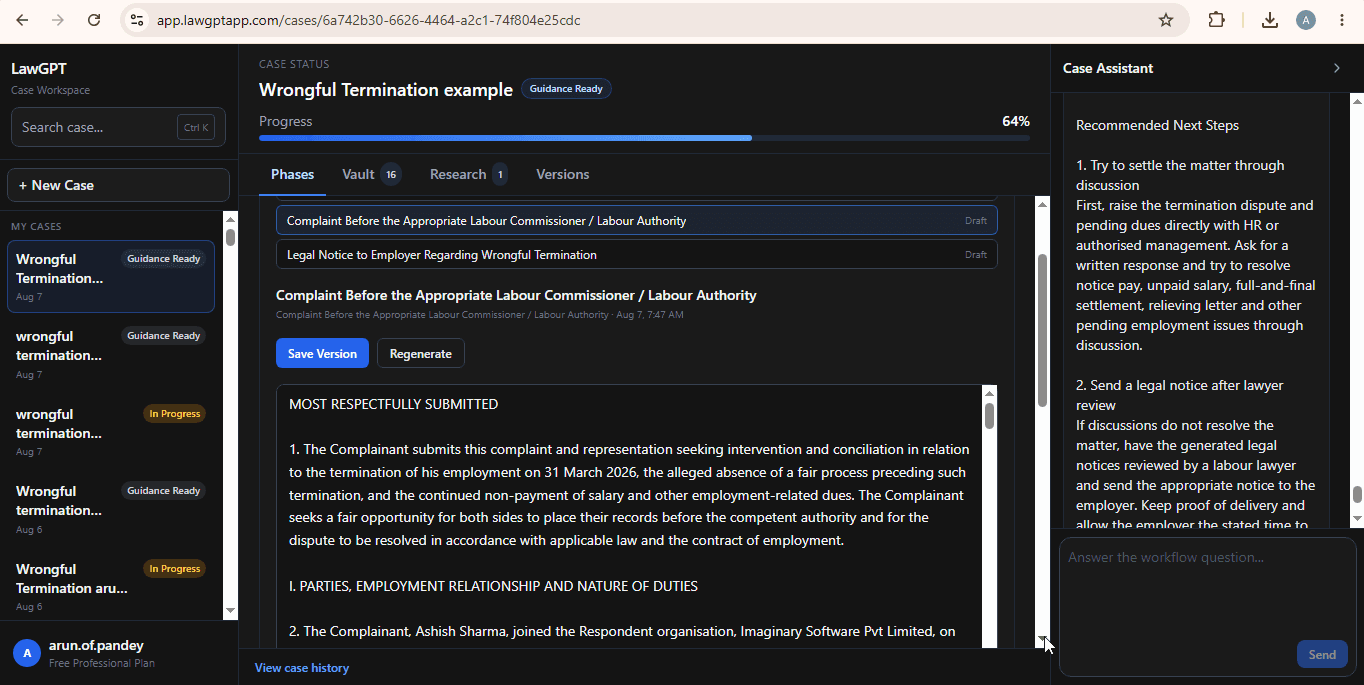
Education comes first: understand your category of employment, the notice rules that apply, and which authority can actually grant relief. Once facts are clear, LawGPT’s /workflows/wrongful-termination path helps you organise intake questions, draft a coherent case summary, and generate lawyer-grade notice and Labour Commissioner complaint drafts you can refine. Optional lawyer review on /platform is useful when stakes are high—reinstatement claims, complex misconduct allegations, or multi-state employment arrangements.
Avoid treating any template as automatic victory. Limitation periods, state amendments, and establishment-specific standing orders can change strategy. If you are still employed and facing a forced resignation, get advice before you resign in writing; the wording of that resignation often becomes Exhibit A in later proceedings.
Settlement versus litigation
Many wrongful termination disputes resolve through enhanced full-and-final payments, experience-letter clarity, and mutual release language. Litigation or labour proceedings make sense when dues are large, the principle matters for industry practice, or the dismissal creates reputational harm you need to contest on record. Weigh cost, time, and career impact honestly. A well-drafted notice often improves settlement leverage more than an angry email thread that creates new credibility problems.
Workman versus managerial employee—why it changes everything
The Industrial Disputes Act’s definition of “workman” has generated decades of litigation because it turns on duties, not job titles. Someone called “Associate Manager” who spends most of the day executing operational tasks without real power to hire, fire, or bind the company may still argue workman status. Conversely, a person with independent managerial functions and decision-making authority may fall outside that umbrella even if their CTC looks modest. Before you threaten a labour court path, write two columns: what your appointment letter says, and what you actually did week to week. Include who approved leave, who signed client proposals, and whether you supervised a team with appraisal authority.
Managerial employees are not without rights. They still have contracts, notice clauses, earned wages, gratuity where eligible, and civil remedies for breach. What they often lack is the same suite of industrial adjudication remedies that workmen use. Getting this wrong leads to maintainability objections that burn six months. If classification is genuinely ambiguous, your notice can reserve rights under both contractual and labour pathways without pleading inconsistent core facts.
Standing orders, handbooks, and unwritten “practice”
Certified standing orders, where applicable, can regulate misconduct procedure, notice, and other conditions of service. Employee handbooks sit in a grey zone—sometimes incorporated by reference into the appointment letter, sometimes treated as policy guidance. If your handbook promises a PIP before termination for performance, and you were exited without one, annex the handbook acknowledgment. If HR says “we never follow that,” ask them to put the deviation in writing. Unwritten custom is hard to prove, but repeated written policies that the company published are not.
Retaliation fact patterns to document
- You raised a POSH concern and the exit followed within weeks without clean performance records
- You questioned unpaid wages or PF delays and were suddenly put on a PIP with impossible targets
- You refused to falsify timesheets or client billables and faced a trust deficit narrative
- You returned from medical leave and were labelled redundant without a real reorganisation paper trail
Retaliation is rarely confessed. Prove proximity in time, deviation from ordinary process, and the absence of contemporaneous performance concerns. Save the complaint you raised—ethics hotline ticket, email to CHRO, IC complaint acknowledgment—as a dated anchor.
Limitation, delay, and why “hoping they pay” is risky
Employees often wait because a former manager “promised to sort F&F.” Meanwhile portals lock, colleagues leave, and memories blur. Even where a formal limitation period looks generous, unexplained delay can hurt discretion on back wages and undermine credibility. Create a personal deadline: if dues and letters are not resolved by a date you choose—often 14 to 30 days after exit—you move to notice. Hope can run in parallel with a calendar.
Finally, remember that wrongful termination disputes are projects. They have evidence rooms, budgets (even if the budget is only your time), and decision gates. LawGPT’s structured workflow at /workflows/wrongful-termination exists to keep that project coherent; /platform extends the same discipline when you need research or review. The law rewards the employee who can tell one consistent story with exhibits—not the employee who sends the angriest email.
Inside the LawGPT workflow
Frequently asked questions
No. Employers can terminate in many situations if they follow contract, applicable labour law, and fair process where required. Suddenness alone is not enough—look at notice, enquiry, discrimination or retaliation indicators, and statutory compliance.