
Employment Law
Employee Rights After Termination in India
What you can still ask for after your last working day—final dues, letters, PF, unemployment practicalities, and challenging unfair exits.
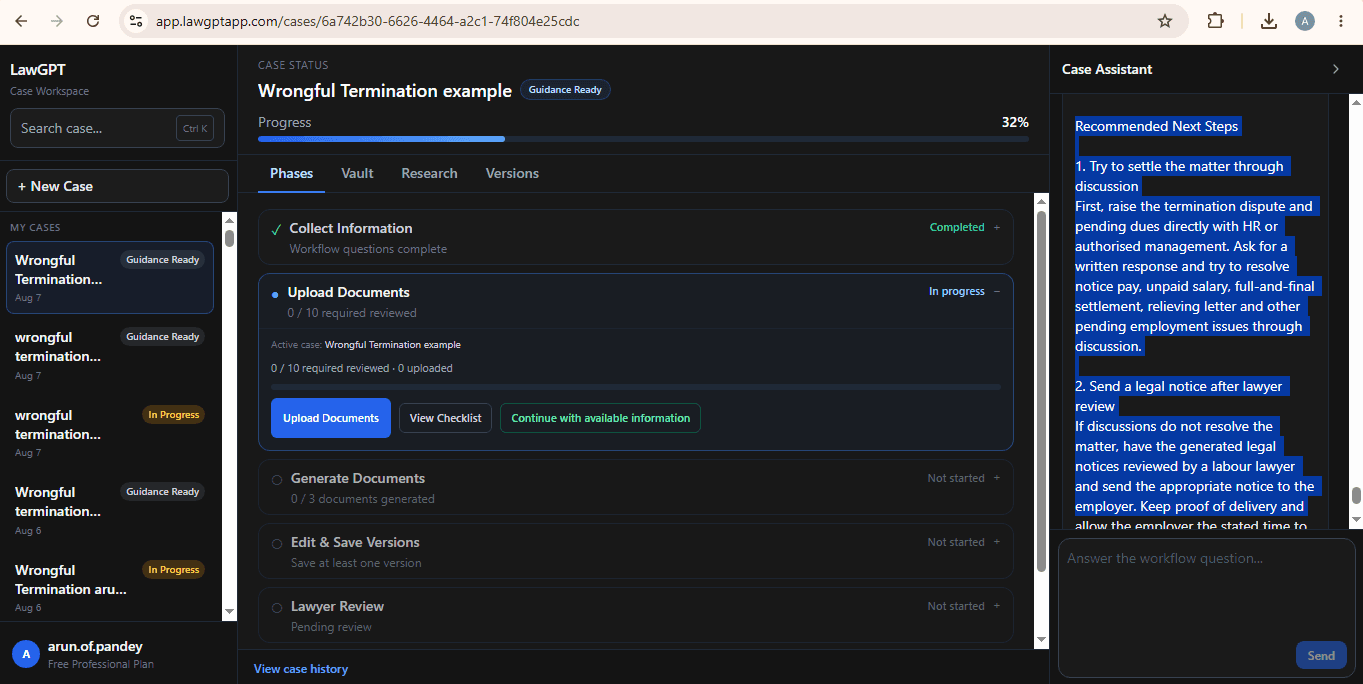
Termination ends day-to-day work; it does not end every legal relationship overnight. Wages still owed, social security accounts, confidentiality duties, and—sometimes—the right to challenge the exit itself continue. This guide maps post-termination rights so you do not leave money or documents behind while you job-hunt.
Right to clear final dues
Ask for a written full-and-final statement covering salary through the last day, notice pay if applicable, leave encashment, declared incentives, and expense reimbursements. Employers may set off loans or asset recovery with accounting—require clarity, not opaque lump figures. Follow up in email if finance goes silent after asset handover; silence is easier to challenge when your reminders are dated and polite.
Right to documentation for your next role
Relieving letters and experience letters are practical necessities in Indian hiring. While formats vary, persistent refusal tied to dropping a legal claim is a warning sign. Request neutral wording if you dispute cause allegations. Keep every reminder; attach them if you later complain to labour authorities about withholding.
| Right or ask | Typical mechanism | Timing tip |
|---|---|---|
| F&F payment | HR/payroll plus written follow-up | Start within days of exit |
| Experience letter | HR written request | Do not wait for a new offer letter crisis |
| PF transfer or withdrawal | UAN member portal | Ensure KYC is seeded |
| Gratuity claim | Employer application or controlling authority | Calendar eligibility carefully |
| Challenge unfair exit | Notice then labour or civil path | Do not sleep on limitation |
PF, gratuity, and insurance continuity
Check EPFO passes and employer contribution status. Plan transfer to a new employer versus withdrawal rules that apply to your situation. For gratuity, confirm tenure math and submit forms rather than relying on verbal “we will process.” If you had group medical cover, note the end date and arrange personal cover without a gap if your health situation requires continuity.
Challenging the termination
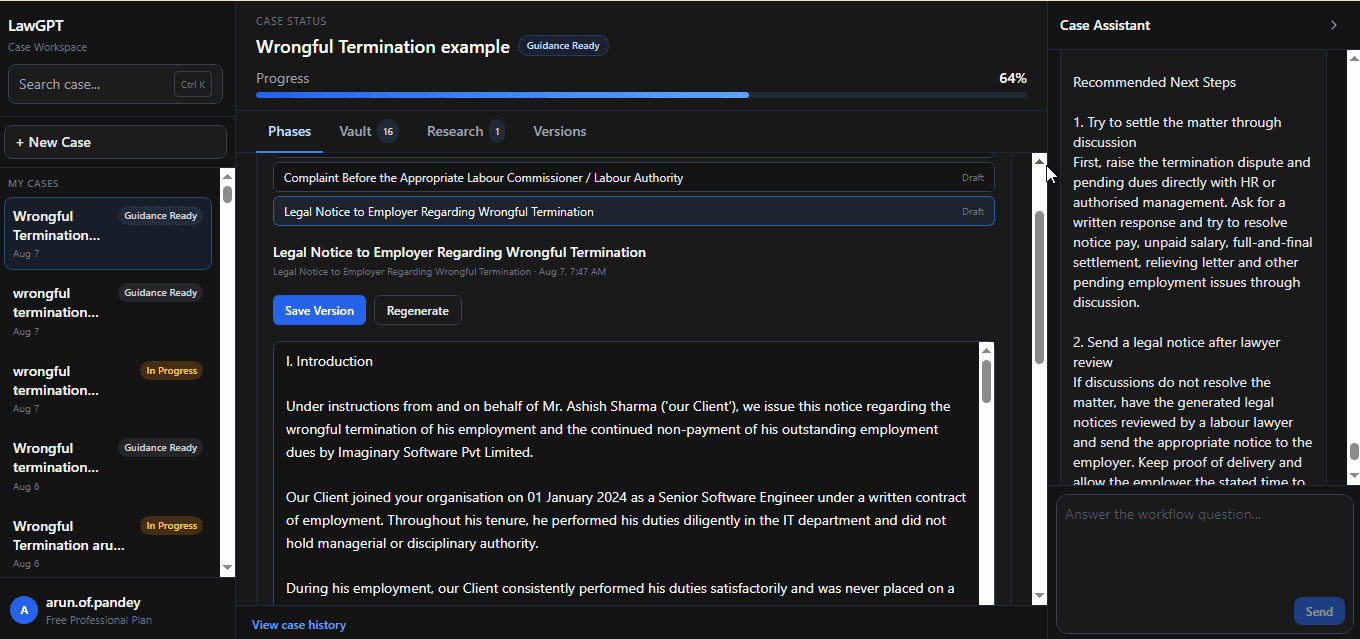
If the exit breached contract or labour law, your rights may include notice pay claims, unfair dismissal remedies, or damages depending on classification and forum. Sending a legal notice preserves seriousness. Explore /workflows/wrongful-termination to structure that path, and /platform for guided tooling beyond a single template download.
Non-compete and garden-leave echoes
Some letters impose non-compete or non-solicit clauses. Enforceability of wide non-competes in India is often contested, but non-solicit and confidentiality clauses are frequently taken seriously. If a clause blocks livelihood unreasonably, get advice before panicking or before ignoring it blindly. Garden-leave terms only help if you are actually paid as employed during that period.
After-exit week-one list
- Email a consolidated dues and documents request within one week
- Download payslips and tax documents while portal access lives
- Verify PF passbook entries
- List company assets returned with acknowledgment
- Preserve offer letters from prospective employers affected by delays
- Decide within a defined period whether to escalate legally
Unemployment practicalities
Update your finance runway, check any scheme benefits you truly qualify for, and be honest with recruiters about dates. Do not invent a “still employed” story that collapses on background verification—it creates new legal and career risk on top of the dispute you already have.
Knowing your rights is step one; sequencing them is step two. Money and letters first, public venting never, formal challenge when the facts and stakes justify it.
Background verification and narrative control
Indian hiring relies heavily on background verification agencies that call HR for dates and exit reasons. Your rights include asking for accurate documentation; they do not include forcing a former employer to call you a star performer. Negotiate neutral language: designation, tenure, and clean exit where appropriate. If the company insists on recording “terminated for cause,” contest that wording in your notice when cause was never established through fair process.
Tell recruiters a short truthful story: employment ended; dues/documentation being completed; happy to share relieving when issued. Oversharing legal strategy in interviews rarely helps. Understating dates that BGV will verify always hurts.
Data, devices, and personal material
Return company devices with an acknowledgment list. Before you lose access, lawfully collect your personal employment records—offers, payslips, appraisal mails. Do not take customer databases. If personal photos or personal tax files sat on a company laptop, ask IT for a supervised copy opportunity rather than secretly copying entire drives. The clean process protects you if misconduct is alleged later.
References and LinkedIn recommendations
- Prefer written experience letters over informal WhatsApp praise that disappears
- Do not pressure junior colleagues into public posts about your dispute
- Update LinkedIn dates accurately when exit is final
- Avoid posting case documents
Your public profile is part of the case ecosystem even if you wish it were not. Employers monitor. Keep it boring until settlement or adjudication concludes.
Internal mobility myths and “garden leave” leftovers
Some employees believe that after termination they can still access internal job boards or claim alternate roles. Unless a settlement creates that path, treat the employment as ended and focus on dues and documents. If you were placed on garden leave, confirm end dates and pay credits. If pay stops while restrictions are still demanded, write immediately—restrictions without pay deserve swift challenge.
Structure post-exit asks through /workflows/wrongful-termination so F&F, letters, and legal challenge are one matter, not three contradictory email threads. /platform helps when you need a reviewed notice that covers both money and documentation rights in a single formal demand.
Unemployment cash-flow and claim sequencing
Rights mean little if you cannot afford to wait. Sequence for cash: unpaid wages and notice pay first, then document fights, then longer adjudication theories. Apply for any genuinely available benefits without misrepresenting exit reasons. Speak to a CA before withdrawing PF solely to fund living costs if transfer to a new employer is imminent—withdrawal rules and re-employment plans interact.
If a new employer needs joining urgently, ask your former employer for a conditional relieving timeline in writing while dues talks continue. Some companies issue relieving on asset clearance even when money disputes remain—ask. Others refuse; escalate documentation as its own prayer rather than assuming it will piggyback later.
Defamation-adjacent exit letters
Termination letters that allege theft, fraud, or moral turpitude without enquiry can cause lasting harm. Demand withdrawal or correction in your notice. Preserve the letter. Be cautious about circulating it yourself. If BGV units repeat false cause language, keep records of what was said. Strategy here is sensitive—pair document demands with advice when allegations are grave.
Rights against unlawful pressure after exit
Some employers continue pressure after the last working day: threats to call your new workplace, threats to withhold PF signatures, or demands that you drop a POSH complaint as a condition of F&F. Record each instance in writing. Those facts can support unfairness narratives and, in extreme cases, other remedies. Do not respond with counter-threats. Respond with dated emails and, where appropriate, include the conduct in your formal notice.
You also have the right—and duty—to return company property and stop using licensed software tied to employer credentials. Continuing to access systems after revocation can create a new allegation that overshadows your dues claim. Draw a bright line: pursue rights through notices and forums, not through lingering access.
Family members and authorised representatives
If stress or relocation makes hearings difficult, ask about authorisation for a representative where procedure allows. Provide them the binder and a written mandate of what settlement you will accept. Representatives who improvise new facts create the same contradiction problems as talkative friends on LinkedIn. Align them with your /workflows/wrongful-termination chronology before any appearance.
Practical checklist ninety days out
By day ninety, you should know whether dues cleared, letters issued, PF moved or withdrawn appropriately, and whether a legal challenge remains live. If dues remain unpaid without a filed pathway, you are drifting. If letters remain withheld despite payment, escalate documentation as a standalone prayer. If you settled, confirm compliance artefacts are in hand. Ninety days is not a legal magic number—it is a personal management horizon that prevents quiet abandonment of rights you still intended to enforce through /workflows/wrongful-termination.
Keep a simple rights ledger for ninety days: dues requested, dues received, letters requested, letters received, PF action taken, and legal escalation status. Update it weekly. The ledger prevents the common drift where people remember they were “going to send one more email” and never do. Share the ledger with anyone helping you so efforts do not duplicate or contradict.
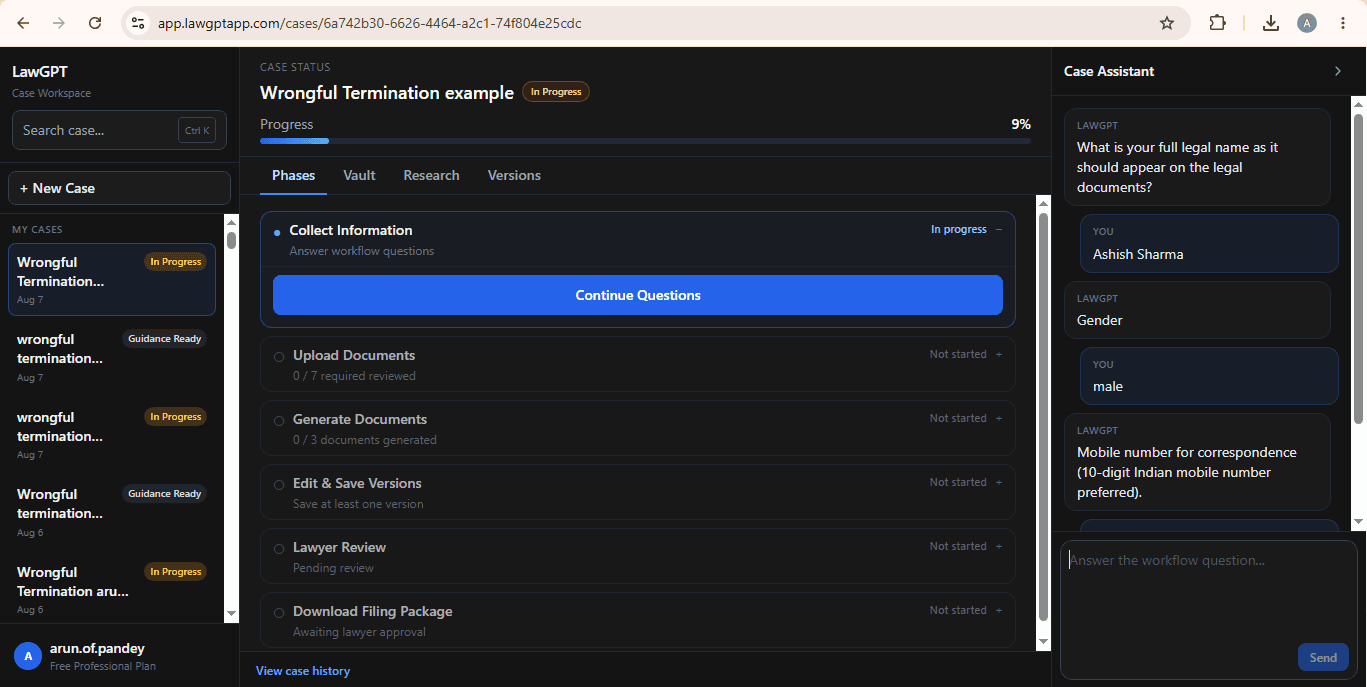
Inside the LawGPT workflow
Frequently asked questions
It depends on the clause and facts. Broad non-competes face enforceability challenges, but confidentiality and targeted non-solicit terms may still matter. Get advice on your letter before assuming either extreme.