
Criminal procedure
Common Mistakes After Police Refuse an FIR—and How to Avoid Them
Avoid the errors that weaken a genuine complaint: changing facts, using untraceable channels, public pressure campaigns, altered evidence, and missed escalation records.
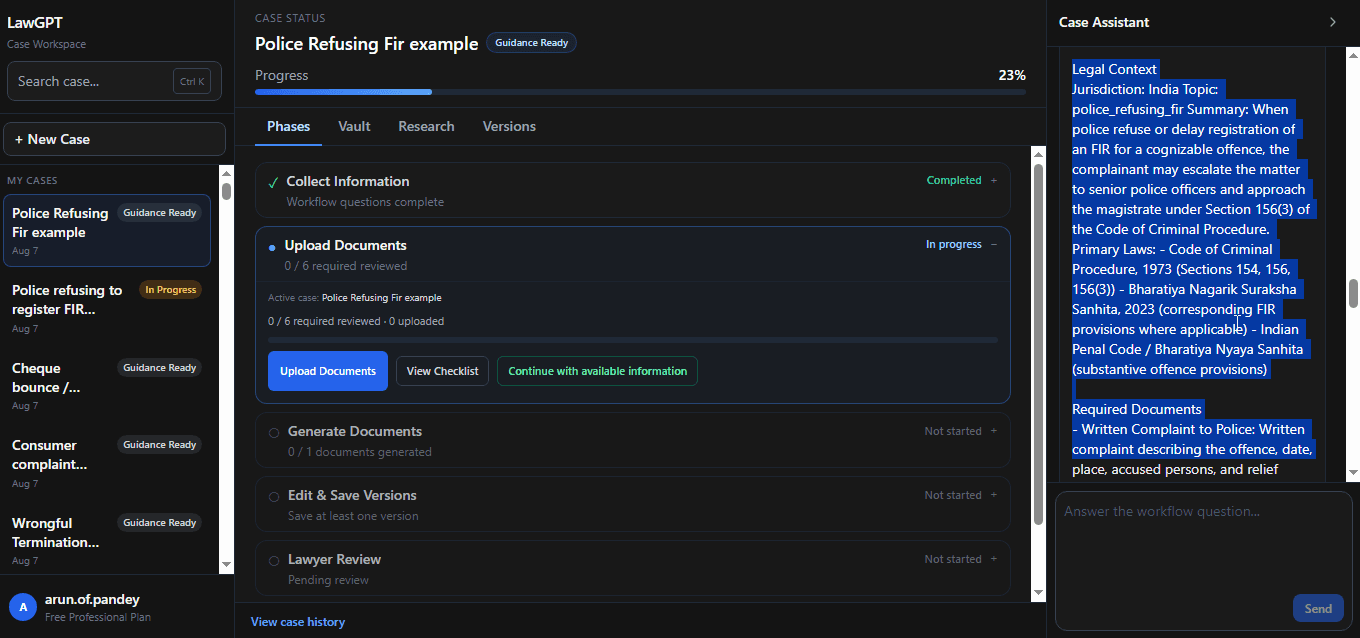
An FIR refusal can make people feel powerless, and that feeling produces understandable but damaging reactions: angry calls, dramatic social posts, a new complaint every day, or pressure to add legal sections suggested by strangers. The strongest response is usually quieter. Preserve the original facts, create a traceable paper trail, protect yourself, and get case-specific advice. This guide identifies mistakes that can weaken even a truthful complaint.
Mistake 1: changing the story to make it sound criminal
A complaint should describe conduct, not imitate a charge sheet. Adding threats, forged documents, a large amount, or a named accused because someone says “otherwise police will not act” is dangerous. It can create contradictions with messages, witnesses, location data, or prior complaints. If your first account omitted a genuine fact because you did not know it or were distressed, submit a dated clarification explaining when you learned it. Transparency is safer than silent rewriting.
Mistake 2: treating every refusal as proof of corruption
Police handling can be poor, but a difficult interaction may also involve jurisdiction, incomplete facts, a non-cognizable classification, or a need for legal assessment. Accusing named officers of bribery or collusion without evidence can distract from the incident and create new exposure. Record exact words, actions, and dates. Escalate the handling through proper channels with a factual request. If you truly have evidence of misconduct, ask counsel about the appropriate separate complaint.
Mistake 3: destroying evidence while trying to preserve it
Editing a video, cropping out context, forwarding a chat repeatedly, resetting a phone, or logging into another person's account can damage authenticity or legality. Keep an untouched original, create a working copy, and note source details. Do not circulate private material to neighbours or social media to “make it viral.” Evidence should be preserved for lawful authorities and counsel, not used as a public punishment tool.
| Mistake | Why it hurts | Better practice |
|---|---|---|
| Multiple conflicting drafts | Creates credibility disputes | Keep version history and label supplements. |
| Unverified legal allegations | Obscures material facts | Describe acts, dates, and source documents. |
| No delivery proof | Makes escalation harder to show | Use official, traceable channels. |
| Confronting accused after complaint | Raises safety and witness issues | Limit contact and preserve communications. |
| Missing appointments | Creates an avoidable adverse record | Use two calendars and confirm attendance. |
Mistake 4: confusing online attention with legal progress
A public post can reach thousands of people without creating an official record, preserving evidence, or keeping you safe. It can also alert an accused before evidence is secured, expose a survivor's identity, invite harassment, and encourage witnesses to coordinate. If you need support, use trusted people, counsel, and appropriate organisations. Make carefully considered public communication only after advice where stakes are high.
Similarly, avoid agents who promise a registered FIR, a named officer, or a court order for a fee. Demand letters, receipts, official channel details, and advocate credentials. Nobody can ethically guarantee an investigative or judicial outcome.
Mistake 5: failing to separate urgency from impatience
Urgent danger, medical need, child safety, evidence at risk, and ongoing threats deserve immediate action. But sending the same packet twenty times in a day may make it harder to identify your latest material. Create a short urgent cover note, identify the specific risk, dispatch through an appropriate official route, and consult counsel. For non-emergency follow-up, keep a dispatch log and proceed through the escalation ladder deliberately.
Before you send an escalation
- Compare it against the original complaint
- Mark additions as additions and corrections as corrections
- Remove unsupported conclusions and insults
- Confirm official addressee and delivery method
- Keep originals and submit copies
- Ask whether safety or preservation needs an urgent separate request
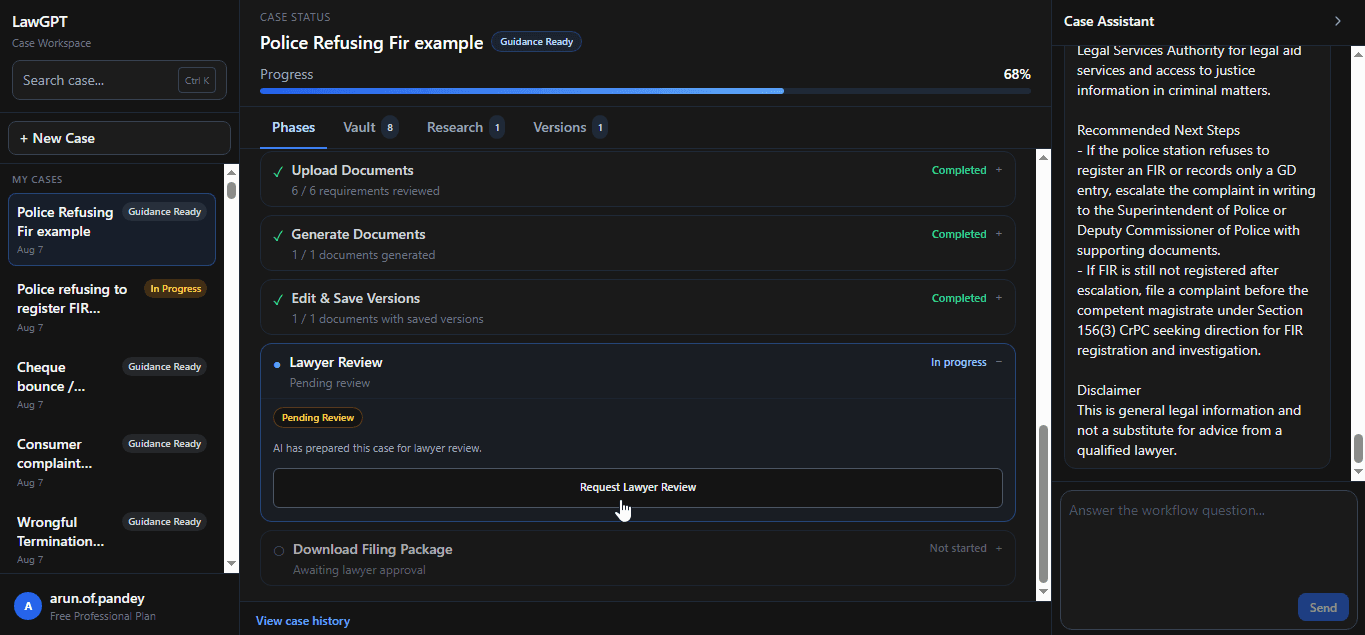
Use the Police Refusing FIR workflow to keep versions, chronology, and annexures organised. Before submission, have a qualified advocate assess any high-risk allegation, court step, or sensitive evidence.
Correct errors openly
A typo, missing date, or later-discovered document does not require a new fictional version of the story. Preserve the original, prepare a dated correction or supplement, and explain what changed. If you are unsure whether an issue is material, show both versions to counsel. A transparent correction demonstrates care; a secret replacement can look like an attempt to manipulate the record.
This applies to witness information as well. Record what each person personally knows and do not ask multiple people to sign identical language drafted for them. Genuine differences in memory are normal. Coaching facts or coordinating statements can harm both safety and credibility.
Keep conflict out of the evidence process
Do not use a refusal as a reason to confront the accused, visit their home or workplace, threaten exposure, or circulate allegations to employers and relatives. Those actions can increase risk and complicate the case. Preserve contact attempts, limit direct communication, and take legal advice where a protective step is needed.
A calm record also protects the complainant. It reduces the chance that an emotional exchange becomes the central issue instead of the conduct originally reported.
Inside the LawGPT workflow
Frequently asked questions
Yes, but preserve the original and submit a transparent correction or clarification. Do not secretly replace a filed version.